How to Increase IVF Success Naturally: A Step-by-Step Guide
Updated: Mar 18

Struggling to grow your family after 35 can feel incredibly isolating, especially when every birthday seems to pull your dream further away. For women navigating infertility, low egg quality, or diminished ovarian reserve, updated support and smarter strategies matter now more than ever. Discover science-backed ways to transform your journey, from embracing a Mediterranean-style diet to using personalized IVF plans and evidence-based therapies, all designed to empower your next steps toward motherhood.
Table of Contents
Quick Summary
Key Point | Explanation |
1. Adopt a Mediterranean-style diet | Focus on whole foods rich in folic acid, omega-3s, and antioxidants to enhance fertility outcomes and egg quality. |
2. Maintain a healthy BMI | A balanced diet and moderate exercise can optimize hormone levels and improve reproductive health. |
3. Personalize your IVF protocol | Work with a fertility specialist to tailor your treatment based on your unique fertility profile and previous responses. |
4. Start targeted supplementation early | Begin taking CoQ10 and other supplements at least three months prior to IVF to improve egg quality and embryo viability. |
5. Monitor progress and adapt your plan | Engage with your clinic throughout the cycle; request adjustments based on how your body responds to optimize success. |
Step 1: Optimize Lifestyle and Nutrition Choices
Your diet and daily habits directly impact egg quality, ovarian reserve, and IVF success rates. This step focuses on making practical, evidence-based changes to support your fertility naturally while preparing your body for treatment.
Start by adopting a Mediterranean-style diet that emphasizes whole foods over processed options. Research shows that diets rich in folic acid, vitamin B12, and omega-3 fatty acids enhance fertility outcomes and improve egg quality. This means filling your plate with colorful vegetables, fatty fish, nuts, seeds, and whole grains while eliminating trans fats and highly processed foods.
Your nutritional priorities should include:
Folate and B vitamins from leafy greens, legumes, and fortified cereals
Omega-3 fatty acids from salmon, sardines, walnuts, and flaxseeds
Calcium and vitamin D through dairy, fortified plant-based alternatives, and safe sun exposure
Antioxidant-rich foods like berries, dark chocolate, and colorful vegetables
Weight management matters more than you might think. Maintaining a healthy BMI through balanced nutrition and appropriate exercise optimizes reproductive hormone levels and reduces inflammation that can interfere with fertilization and implantation.
Eliminate alcohol and tobacco completely during your IVF cycle and ideally for at least three months beforehand. Both substances damage egg quality and reduce conception rates significantly. Even moderate drinking can negatively affect your outcomes at this critical stage.
Your nutrition choices in the months before IVF directly determine the quality of the eggs your body produces—this is not something to approach casually.
Physical activity should be moderate and consistent. The Academy of Nutrition and Dietetics recommends regular exercise that you can sustain without exhaustion. Aim for 150 minutes of moderate activity weekly, but avoid intense workouts during your IVF cycle as they can increase cortisol and interfere with hormone balance.

Consider working with a fertility-focused nutritionist who understands your specific needs. They can personalize recommendations based on your age, ovarian reserve, and any nutritional deficiencies identified through testing.
Pro tip: Start these dietary and lifestyle changes at least three months before your IVF cycle begins, as this timeframe allows your body to produce healthier eggs and establish stable hormone patterns that support implantation.
Here’s a summary of lifestyle factors and their impact on IVF outcomes:
Lifestyle Factor | Positive Impact on IVF | Negative Impact if Ignored |
Mediterranean-style diet | Increases egg quality | Low fertility rates |
Moderate exercise | Balances hormones | Increases cortisol, stress |
Healthy BMI | Reduces inflammation | Impaired implantation |
Alcohol/tobacco avoidance | Protects egg health | Damages fertility and outcomes |
Step 2: Select Individualized IVF and Wellness Strategies
One-size-fits-all IVF protocols don’t work for women over 35, especially those with diminished ovarian reserve. This step guides you through selecting a personalized treatment approach that matches your specific fertility challenges and body’s needs.
Start by understanding your unique fertility profile. Work with your fertility specialist to identify key factors affecting your success: your age, AMH levels, antral follicle count, egg quality indicators, any immune issues, and whether you’ve had previous failed cycles. These details shape which IVF protocol will work best for you.
Your personalized strategy should address:
Ovarian stimulation protocol (standard, minimal, micro-dose, or natural cycle IVF)
Medication timing and dosing based on your response patterns
Genetic testing protocols like PGT-A for embryo selection
Immune support strategies if recurrent implantation failure is a concern
Supplemental treatments such as acupuncture, herbal support, or stress management
Modern clinics use predictive analytics to personalize treatment plans and continuously monitor your response to adjust protocols in real time. This data-driven approach reduces unnecessary medication and improves success rates while lowering your overall cost and physical burden.
Discover best practices for IVF designed specifically for women over 35 to understand current standards for your age group. Your clinic should explain why they’re recommending specific procedures rather than others.
The right IVF protocol is never generic—it’s built around your body’s specific markers and your fertility history.
Don’t hesitate to ask your clinic about their success rates for your demographic and whether they track outcomes by age and ovarian reserve status. This transparency helps you understand realistic expectations for your situation.
Integrate wellness strategies that complement your medical protocol. This includes stress reduction, targeted supplementation, acupuncture timing around your cycle, and appropriate exercise intensity. Wellness isn’t separate from medicine—it’s part of your complete strategy.
Request a detailed cycle plan before starting. You should know exactly when medications begin, what monitoring visits to expect, when egg retrieval typically occurs, and the timeline for embryo transfer. Clear expectations reduce anxiety and help you prepare mentally.
Pro tip: Ask your clinic if they offer protocol adjustments between cycles based on your response data—if your first cycle shows you respond better to lower doses or different medications, the next attempt can be optimized accordingly, significantly improving your chances without repeating ineffective approaches.
Compare standard versus personalized IVF strategies:
Protocol Type | Who It’s For | Benefits | Drawbacks |
Standard IVF | Younger women, good reserve | Easier, less testing | Lower success over age 35 |
Personalized IVF | Women over 35, low reserve | Optimizes egg quality, outcomes | Requires more monitoring |
Step 3: Enhance Egg Quality with Targeted Therapies
Egg quality determines whether your IVF cycle succeeds, and at 35 and beyond, this becomes your primary focus. This step walks you through selecting and implementing targeted therapies specifically designed to improve oocyte function and embryo viability.
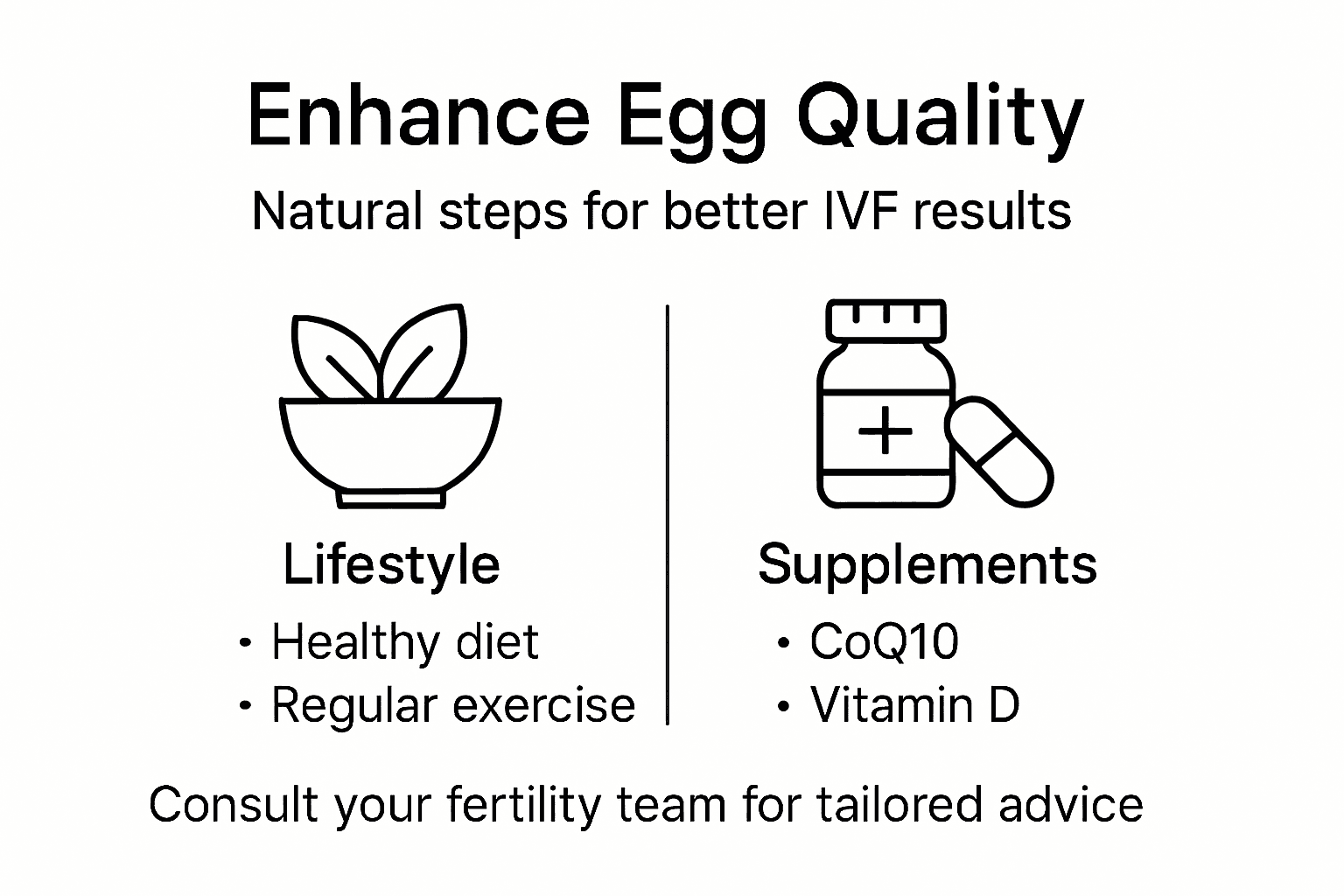
Start with mitochondrial support through supplementation. Your egg cells depend entirely on mitochondria for energy production, and CoQ10 supplementation improves mitochondrial function and reduces oxidative stress in aging oocytes. Studies show that women over 35 with diminished ovarian reserve experience improved egg numbers, better embryo quality, and higher fertilization rates when taking CoQ10 consistently for at least three months before IVF.
Key supplemental therapies to discuss with your clinic include:
CoQ10 (300-600 mg daily) for mitochondrial energy
Vitamin D3 to support ovarian reserve and hormone balance
Prenatal vitamins with methylfolate for DNA integrity
Omega-3 fatty acids to reduce inflammatory markers
Antioxidants like NAC and vitamin E to combat oxidative damage
Beyond supplements, explore advanced reproductive technologies. Emerging approaches like time-lapse imaging for embryo assessment and platelet-rich plasma therapies can optimize embryo selection and rejuvenate ovarian function. Ask your clinic whether they offer these technologies and how they might apply to your specific situation.
Better egg quality means higher fertilization rates, healthier embryos, and dramatically increased implantation success, especially at advanced maternal age.
Timing matters tremendously. Begin supplementation at least three months before your IVF cycle starts. This allows CoQ10 and other nutrients to accumulate in your follicles during the maturation process that started months earlier.
Request baseline testing before starting any protocol. Ovarian reserve markers, hormone levels, and inflammatory indicators help your doctor select the most effective therapies for your body. Track these metrics again after three months to confirm the protocol is working.
Work with your clinic to monitor egg quality indicators during your cycle itself. Modern clinics use morphology assessment and sometimes additional testing to identify your best embryos before transfer, maximizing success rates.
Pro tip: Start CoQ10 and other egg-quality supplements immediately, even before your first consultation with your fertility specialist—the three-month lead time is critical for women over 35, and beginning early gives you the maximum benefit during your upcoming cycle.
Step 4: Monitor Progress and Adjust Your Plan
Your IVF cycle isn’t a fixed path—it’s a dynamic process that requires real-time monitoring and protocol adjustments based on how your body responds. This step teaches you how to stay informed and work with your clinic to optimize outcomes throughout your cycle.
Understand what your clinic monitors during stimulation. They track estrogen levels, progesterone, and follicle development through blood work and ultrasounds to ensure your eggs are maturing appropriately. These metrics guide medication dosing adjustments throughout your cycle, preventing over-stimulation while maximizing egg production.
Key monitoring checkpoints include:
Days 5-6 of stimulation to assess initial follicle response and hormone levels
Mid-cycle monitoring to evaluate follicle growth trajectory and adjust doses if needed
Final monitoring before trigger injection to confirm optimal egg maturity
Embryo development reports after fertilization showing fertilization rates and cell division
Modern fertility clinics use real-time data analysis and adaptive protocols to modify treatment based on individual responses. Ask your clinic whether they track your specific metrics in their system and adjust your protocol accordingly. This technology-driven approach reduces unnecessary medication exposure while improving outcomes.
The American Society for Reproductive Medicine emphasizes that individualized adjustments during IVF cycles optimize outcomes and minimize risks, especially for women over 35. Don’t accept a rigid protocol—your clinic should be ready to modify doses or timing based on your unique response pattern.
Responsiveness to monitoring separates good IVF cycles from excellent ones. Static protocols waste time and medication; adaptive ones maximize your chances.
Ask your clinic specific questions at each monitoring visit. Request clear explanations of your hormone numbers, how many follicles are growing, and whether medication adjustments are planned. Understanding your progress reduces anxiety and keeps you engaged in decision-making.
If your response seems slow or follicles aren’t growing evenly, discuss protocol modifications immediately. Sometimes increasing medication doses or adjusting timing can salvage a cycle. Conversely, if you’re over-responding, dose reductions prevent hyperstimulation syndrome.
After egg retrieval, monitor embryo development reports daily. Your clinic should explain fertilization rates, cell division quality, and which embryos show the strongest potential. Use this information to discuss transfer strategy with your doctor before transfer day.
Pro tip: Keep a written log of all your hormone values, follicle counts, and medication doses throughout your cycle—this personal record helps you spot patterns, compare cycles if you do multiple attempts, and have informed conversations with your doctor about what worked and what didn’t.
Take Control of Your IVF Journey with Personalized Support
Struggling with egg quality, diminished ovarian reserve, or feeling overwhelmed by standard IVF protocols is a daunting challenge. This guide highlights key issues like optimizing mitochondrial health, tailoring ovarian stimulation, and embracing a holistic wellness approach—critical steps for women over 35 aiming to improve IVF success naturally. If you relate to concerns about egg quality decline, complex hormone patterns, or the anxiety of unpredictable IVF outcomes, you are not alone.
At Rejuvenating Fertility Center, we specialize in advanced reproductive medicine that directly addresses these challenges through individualized IVF protocols, mitochondrial support therapies, and comprehensive wellness programs. Our expert team, led by Dr. Zaher Merhi, is dedicated to creating treatment strategies tailored uniquely to your fertility profile. Learn more about our approaches including ovarian rejuvenation and regenerative therapies designed to enhance egg quality and optimize your cycles. Don’t wait for another cycle running on a generic plan—empower your journey today with insights and treatments crafted specifically for your needs.
Visit Rejuvenating Fertility Center now to book a consultation and start transforming your fertility outlook with confidence.
Frequently Asked Questions
How can I optimize my diet to increase IVF success naturally?
To optimize your diet for IVF success, adopt a Mediterranean-style eating plan that emphasizes whole foods, colorful vegetables, and healthy fats while avoiding processed options. Focus on including foods rich in folate, omega-3 fatty acids, and antioxidants to enhance egg quality and support overall fertility.
What lifestyle changes should I consider before starting IVF?
Consider maintaining a healthy weight through balanced nutrition and moderate exercise. Aim to engage in 150 minutes of moderate activity weekly and avoid alcohol and tobacco for at least three months before starting your IVF cycle to protect egg quality.
How can I personalize my IVF treatment plan?
To personalize your IVF treatment plan, work closely with your fertility specialist to assess your individual fertility profile, including age, AMH levels, and previous cycle outcomes. Discuss tailored protocols for ovarian stimulation, medication timing, and any additional therapies that address your unique needs.
What supplements should I take to enhance egg quality?
To enhance egg quality, consider taking supplements such as CoQ10, Vitamin D3, and prenatal vitamins with methylfolate. Start taking these supplements at least three months before your IVF cycle to allow your body to benefit fully from their effects on egg health.
How can I monitor my IVF progress effectively?
You can monitor your IVF progress by tracking hormone levels, follicle development, and embryo quality through regular blood work and ultrasounds during your cycle. Keep a written log of your hormone values and medication doses to identify patterns and facilitate informed discussions with your doctor about necessary adjustments.
What should I do if my IVF cycle is not progressing as expected?
If your IVF cycle is not progressing as expected, promptly discuss potential protocol modifications with your clinic. Adjustments to medication doses or the timing of treatments can often improve outcomes by increasing the likelihood of producing viable eggs.
Recommended